January 8, 2026
RFF
Supporting Those Who Support Others
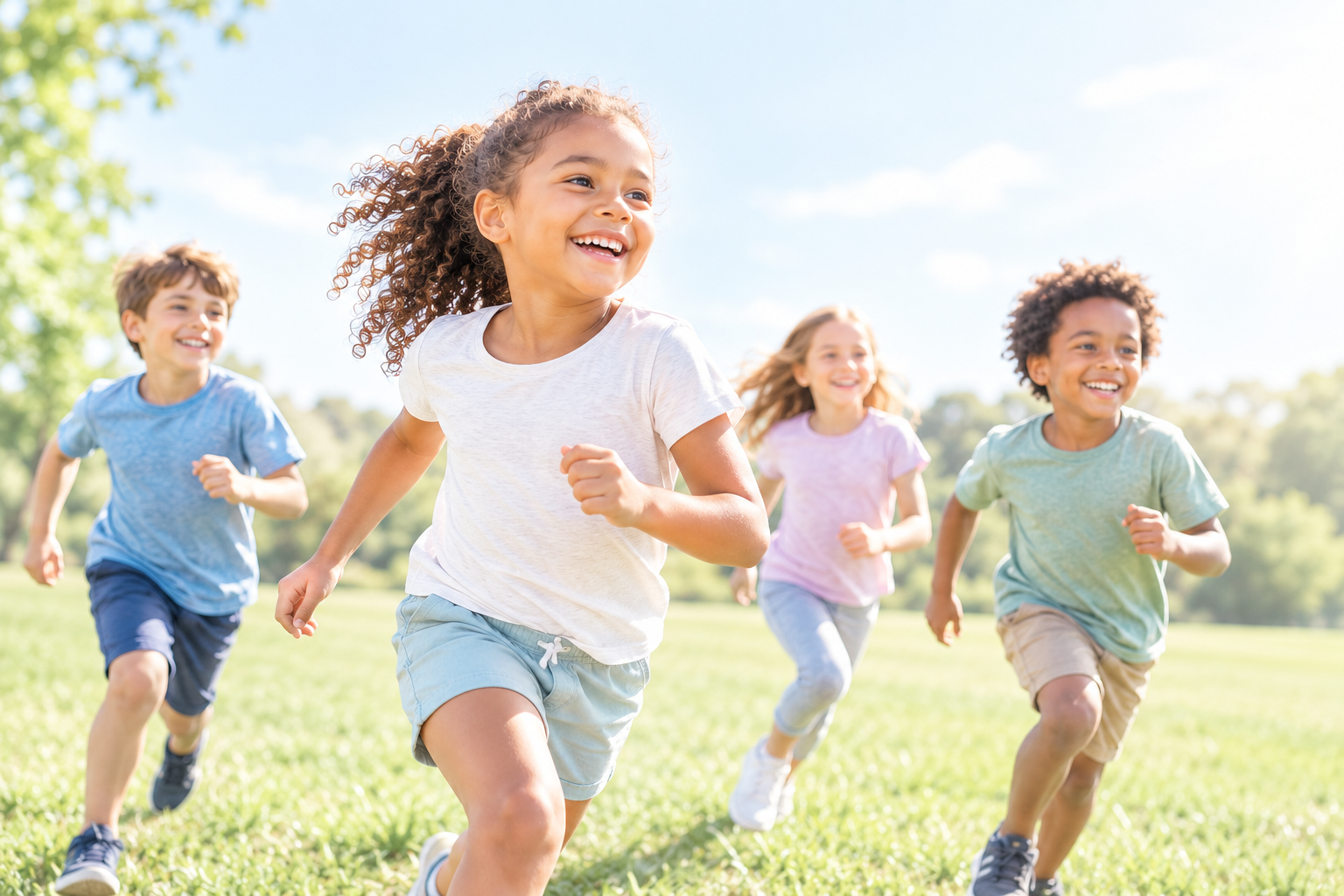
Movement is more than exercise. For children, it is an important part of growing, learning, connecting, and developing healthy habits that can last a lifetime.
When we think about childhood development, we often focus on nutrition, education, sleep, and emotional wellbeing. But there is another essential piece of the puzzle that can sometimes be overlooked: physical movement.
Running around outside, riding a bike, dancing in the living room, climbing at the playground, swimming, playing tag, kicking a ball, or simply going for a walk with family all give children opportunities to move their bodies. And those moments can have benefits that reach far beyond the immediate fun.
Movement supports the developing brain
Childhood is a period of enormous brain development. Physical activity can support attention, memory, thinking, and learning, while regular activity is also associated with fewer symptoms of depression. (CDC)
There is also an important connection between movement and how children feel.
Being active can provide an opportunity to release energy, manage stress, build confidence, and experience a sense of accomplishment. For some children, movement can also be a valuable way to connect socially — whether that means playing with friends, participating in a team, or simply walking and talking with a parent or sibling.
The goal doesn’t need to be competition or athletic achievement. Movement should be something children can enjoy and feel successful doing.
A healthy heart starts with healthy habits
Our hearts benefit from movement at every age.
Regular physical activity helps children develop stronger cardiovascular fitness and can support healthy blood pressure, blood sugar regulation, and overall cardiometabolic health. It also helps build strong muscles and bones. (CDC)
Perhaps most importantly, childhood is a time when healthy habits can take root.
Children who learn that movement is simply a normal part of everyday life are building habits that can continue into adolescence and adulthood. The Physical Activity Guidelines for Americans describe childhood and adolescence as critical periods for developing movement skills and establishing a foundation for lifelong health. (CDC)
That doesn’t mean that every active child will automatically avoid heart disease later in life. Health is complex and influenced by many factors. But creating healthy patterns early gives children an important foundation for cardiovascular health as they grow.
The mind-heart connection
Physical health and mental health aren’t separate.
Stress, anxiety, and other mental health challenges can influence behaviors and physiological processes that affect cardiovascular health. The American Heart Association describes this as the mind-heart-body connection — recognizing that psychological wellbeing and physical health are closely intertwined. (www.heart.org)
That makes movement particularly valuable.
When we encourage children to move, we’re not simply helping them build stronger muscles and healthier hearts. We may also be giving them a healthy tool for managing stress, supporting emotional wellbeing, sleeping better, and feeling more confident in their bodies.
A healthy heart and a healthy mind grow together.
How much movement do children need?
The answer depends on age.
For children ages 3–5, the CDC recommends being physically active throughout the day as part of normal growth and development.
For children and adolescents ages 6–17, the recommendation is 60 minutes or more of moderate-to-vigorous physical activity each day. Most of this should be aerobic activity — anything that gets the heart beating faster — with muscle- and bone-strengthening activities included regularly as well. (CDC)
But these numbers shouldn’t become another source of pressure for families.
Movement doesn’t have to happen all at once. A bike ride before dinner, a walk to school, active play after school, dancing in the kitchen, and a game of tag with friends can all contribute.
And for children who aren’t currently very active, starting small still matters. Some activity is better than none, and building gradually can help movement become a natural part of daily life. (professional.heart.org)
Making movement fun — not a chore
One of the most important things adults can do is help children discover movement they actually enjoy.
That might look different for every child.
There is no single “right” way to move.
Children are also more likely to embrace healthy behaviors when the adults around them participate. Going for a family walk, playing outside together, taking the stairs, or turning off the screens for an active family game can make movement feel like a normal and enjoyable part of life rather than something children are being told they have to do.
It’s about much more than preventing illness
It’s easy to talk about physical activity only in terms of preventing obesity, diabetes, or heart disease.
But children don’t need to think about their future health every time they run outside.
They need to play.
They need to discover what their bodies can do.
They need opportunities to take risks in appropriate ways, develop coordination, build confidence, make friends, experience success, and sometimes simply get out of breath laughing.
The long-term health benefits are important — but so are the benefits children experience today.
Physical activity can support brain health, learning, fitness, emotional wellbeing, and healthy development during childhood, while helping establish behaviors that can support health throughout life. (CDC)
Let’s give children permission to move
In a world where so much of childhood can happen sitting down — in classrooms, in cars, on phones, tablets, computers, and televisions — creating opportunities for movement matters.
We don’t need to make every moment active. We don’t need every child to become an athlete.
We simply need to make movement a normal, accessible, enjoyable part of childhood.
Because when we help children move today, we’re not only helping them grow stronger bodies. We’re helping them build healthier minds, healthier hearts, and healthier habits for the years ahead.
At R-FF, we believe that investing in children’s wellbeing means looking at the whole child — their physical health, mental health, relationships, confidence, and ability to thrive.
Sometimes, one of the simplest places to start is simply to get moving.