April 17, 2026
Robinson Family Foundation
Stroke Risk Factors: 3 Key Warning Signs and How to Protect Your Health

We talk a lot about movement. About what your body can do when you push it — when you walk, run, train, stretch, show up. And that matters. But there is another side of caring for your body that doesn't get nearly enough credit.
Not as a reward for a hard day. Not as a luxury. As a biological necessity — as essential to your health as anything you do at the gym, on the trail, or in the studio.
At the Robinson Family Foundation, we believe that caring for your body means moving it and resting it. And the science backs that up completely.
Sleep is not passive. While you're unconscious, your body is doing some of its most important work.
During deep sleep, your muscles repair and grow. Stress hormones like cortisol drop. Your immune system produces cytokines — proteins that fight infection and inflammation. Your brain clears out metabolic waste products that build up throughout the day through a process called the glymphatic system. Growth hormone, which is critical for tissue repair and metabolism, is primarily released during slow-wave sleep.
In other words: your body is healing itself. Every night. That is what rest is for.
When we cut sleep short — whether by choice, circumstance, or stress — we interrupt all of it.
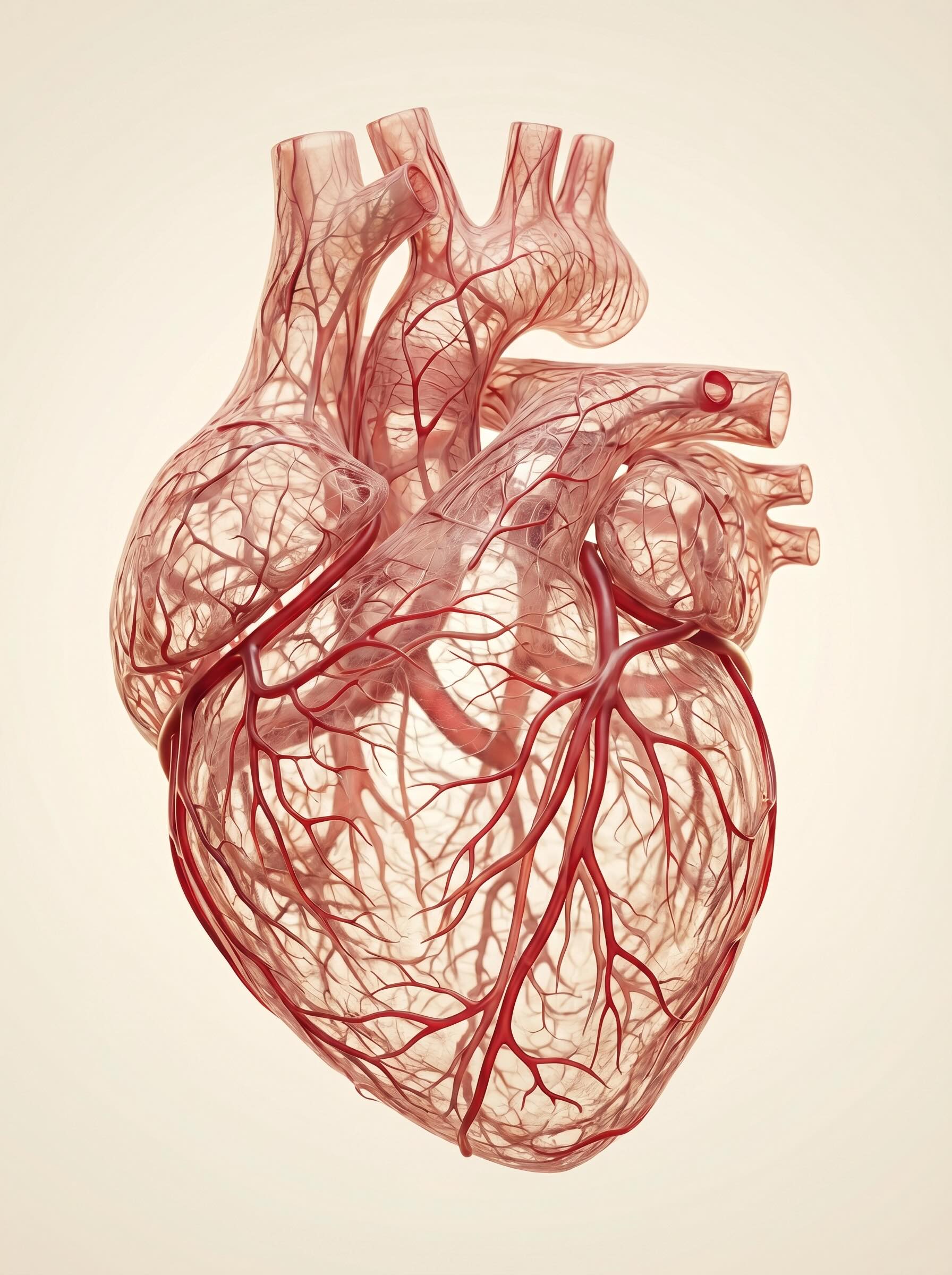
The connection between sleep and cardiovascular health is well-established and significant.
Adults who consistently get fewer than seven hours of sleep per night have a higher risk of high blood pressure, heart disease, and stroke. Sleep is when your heart rate and blood pressure naturally dip — a period of rest that your cardiovascular system depends on. Without adequate sleep, that recovery window shrinks. Over time, the cumulative strain adds up.
The American Heart Association now lists sleep as one of the eight essential components of cardiovascular health — alongside diet, physical activity, and not smoking. That's not a footnote. That's a signal about how central rest is to a healthy heart.
The brain needs sleep more than almost any other organ.
During REM sleep — the stage where most dreaming occurs — your brain processes emotions, consolidates memories, and clears the neurological clutter of the day. Poor sleep is strongly associated with increased anxiety, depression, difficulty concentrating, and impaired decision-making. The CDC reports that adults who sleep fewer than seven hours per night are more likely to report symptoms of mental distress, including frequent anxiety and depression, than those who get adequate rest.
Chronic sleep deprivation doesn't just make you tired. It changes how your brain regulates emotion, how clearly you can think, and how resilient you feel in the face of stress.
Beyond the heart and the brain, sleep has a body-wide impact.
Poor sleep disrupts the hormones that regulate hunger — increasing ghrelin (which signals hunger) and decreasing leptin (which signals fullness). This is why inadequate sleep is so often linked to weight gain and metabolic changes. Sleep deprivation also raises inflammatory markers in the blood, which is connected to a host of chronic conditions including type 2 diabetes and certain cancers.
And for those who are physically active: without sleep, your body cannot fully recover. Muscles don't fully repair. Reaction time and coordination suffer. Performance declines — not because you're not working hard enough, but because you're not resting enough.
You cannot out-train a sleep deficit.
There is a cultural story that treats rest as something you earn — after enough productivity, enough effort, enough output. But that story gets it backwards.
Rest is not the reward for caring for your body. Rest is caring for your body.
The National Sleep Foundation recommends 7–9 hours of sleep per night for most adults. Yet one in three Americans reports regularly getting less than that. And the gap between recommended and actual sleep is not just a wellness statistic — it's a public health issue that touches cardiovascular outcomes, mental health, immune function, and longevity.
At RFF, we talk about Heart, Mind, and Body as three pillars — not three separate categories. Sleep is one of the clearest illustrations of why. It sits at the center of all three. What you do for your sleep, you do for your heart. You do for your mind. You do for your whole self.
You don't have to overhaul everything at once. Small, consistent changes can make a real difference:
Movement matters. Nutrition matters. And sleep matters just as much as either.
Give your body what it needs — including the rest.

.jpg)