February 27, 2026
Marta Robinson
Our Letter to Eli

We talk a lot at RFF about living well. But when it comes down to it, the most powerful thing most of us can do for our health isn't a supplement, a routine, or a hack. It's moving our bodies — consistently, joyfully, and together.
The science is unambiguous and it goes far deeper than fitness. Regular physical activity is one of the most thoroughly studied interventions in all of medicine. It changes the brain, the body, and — we'd argue — the spirit. This is what sits at the heart of our Body Pillar at RFF, and it's exactly what we'll be celebrating at our July 18–19 weekend.
When you move — whether it's a walk around the block, a pick-up basketball game, or a yoga flow — you trigger a cascade of biological responses that compound over time. Here's what the research tells us:
Reduction in risk of depression with regular aerobic activity
Improved sleep quality in adults who exercise regularly
Lower risk of all-cause mortality with 150 min/week of moderate movement
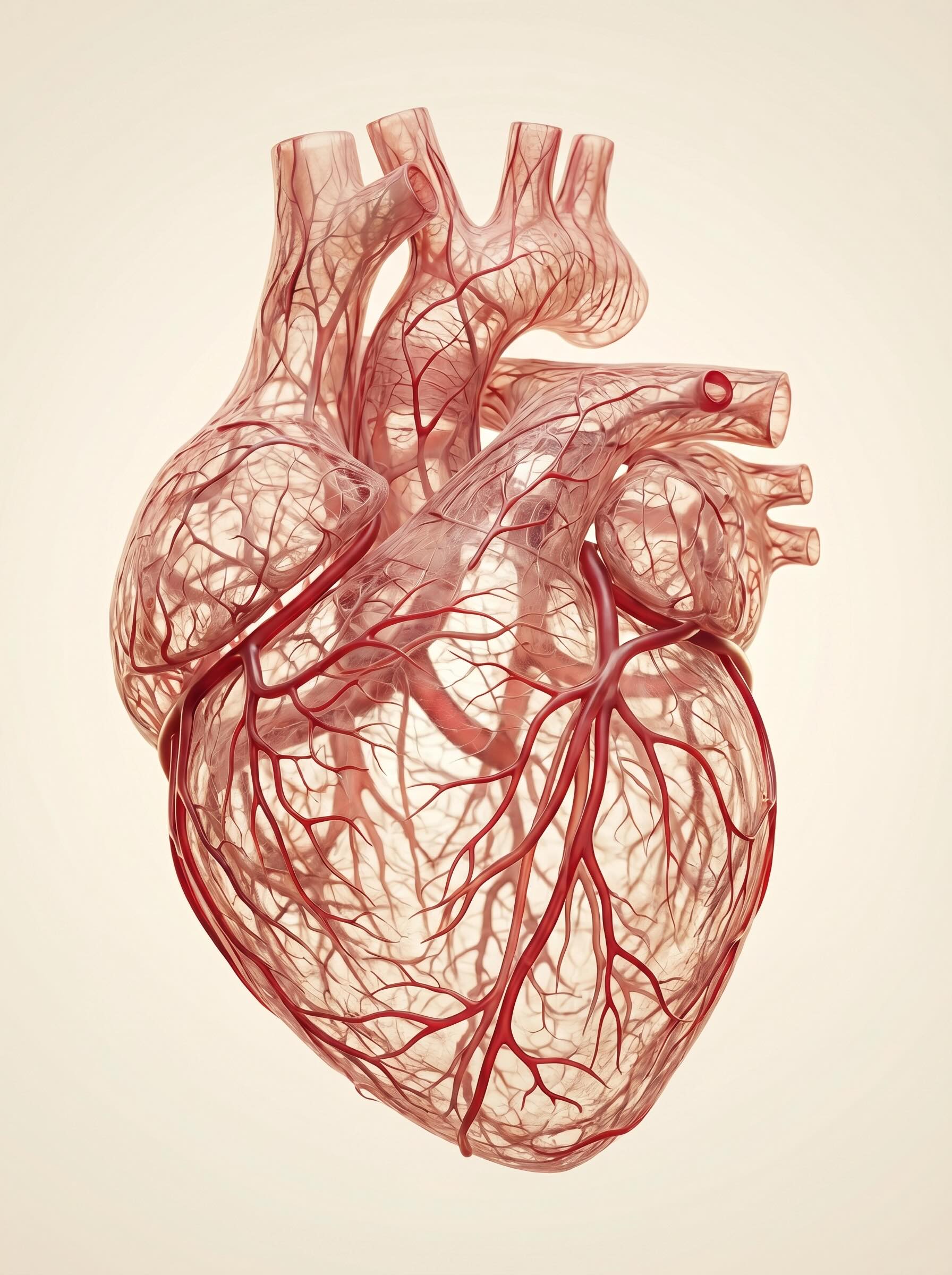
Physical activity strengthens the cardiovascular system, regulates blood sugar, improves hormone balance, and builds bone density. But one of the most overlooked benefits is neurological. Exercise increases production of BDNF — brain-derived neurotrophic factor — essentially a fertilizer for brain cells that supports memory, learning, and emotional regulation. Movement isn't just good for your body. It literally changes your brain.
The 150-minute threshold. The World Health Organization recommends at least 150 minutes of moderate aerobic activity per week for adults. That's 21 minutes a day. You don't need a gym membership or a training plan — you just need to start.
Physical health doesn't exist in isolation. At RFF, we view the body as one piece of a larger framework. Two functions that work in powerful partnership with movement are mental wellness and human connection.
Chronic stress elevates cortisol, disrupts sleep, and triggers inflammation — all of which directly damage the body over time. The good news is that this loop runs both directions. Exercise is one of the most effective tools we have to regulate the nervous system and build mental resilience. Practices like mindfulness, journaling, and intentional rest compound those effects. Taking care of your mental health is taking care of your body.
Loneliness has been linked to outcomes as serious as smoking 15 cigarettes a day. Social bonds, on the other hand, are protective: they reduce stress hormones, boost immune function, and are one of the strongest predictors of longevity we have. When we play, train, and move together — as a community — we're not just having fun. We're healing.
This is why community events like our RFF Weekend aren't a bonus feature of our work. They are the work.
This July, we're bringing all three pillars to life across two days of basketball, community, and movement.
A 3v3 basketball tournament held in honor of Eli Robinson. Compete, connect, and celebrate the life and legacy he left on and off the court.
A full day of skill-building, mentorship, and movement for middle schoolers — the kind of experience that shows young people what they're capable of.
Two days. One mission.
Basketball has always been more than a game in this community. Eli understood that. Duncan has carried it forward. The court is a place where young people learn what it means to show up, work hard, and take care of the people beside them — and those are lessons that last a lifetime.
Join us July 18–19. Whether you're playing in the EV3 tournament, bringing a kid to the clinic, cheering from the sideline, or volunteering — there's a place for you this weekend. Registration details and the full schedule are coming soon at r-ff.org.
You don't have to wait until July to move toward better health. Here are three entry points, no matter where you're starting from:
Walk with intention. A 20–30 minute walk every day is enough to meaningfully reduce cardiovascular risk and improve mood. Put your phone away and let it be a mental reset too.
Make it social. Invite someone. A walk, a gym class, a pickup game. The accountability is real, and the connection is the point.
Rest is part of the work. Recovery — quality sleep, down time, stillness — isn't laziness. It's where the body actually adapts and strengthens. Honor it.
At RFF, we believe a healthy life is built on three foundations: a body that moves, a mind that's tended to, and people to do it all with. This July, we're building all three at once. We hope to see you on the court.