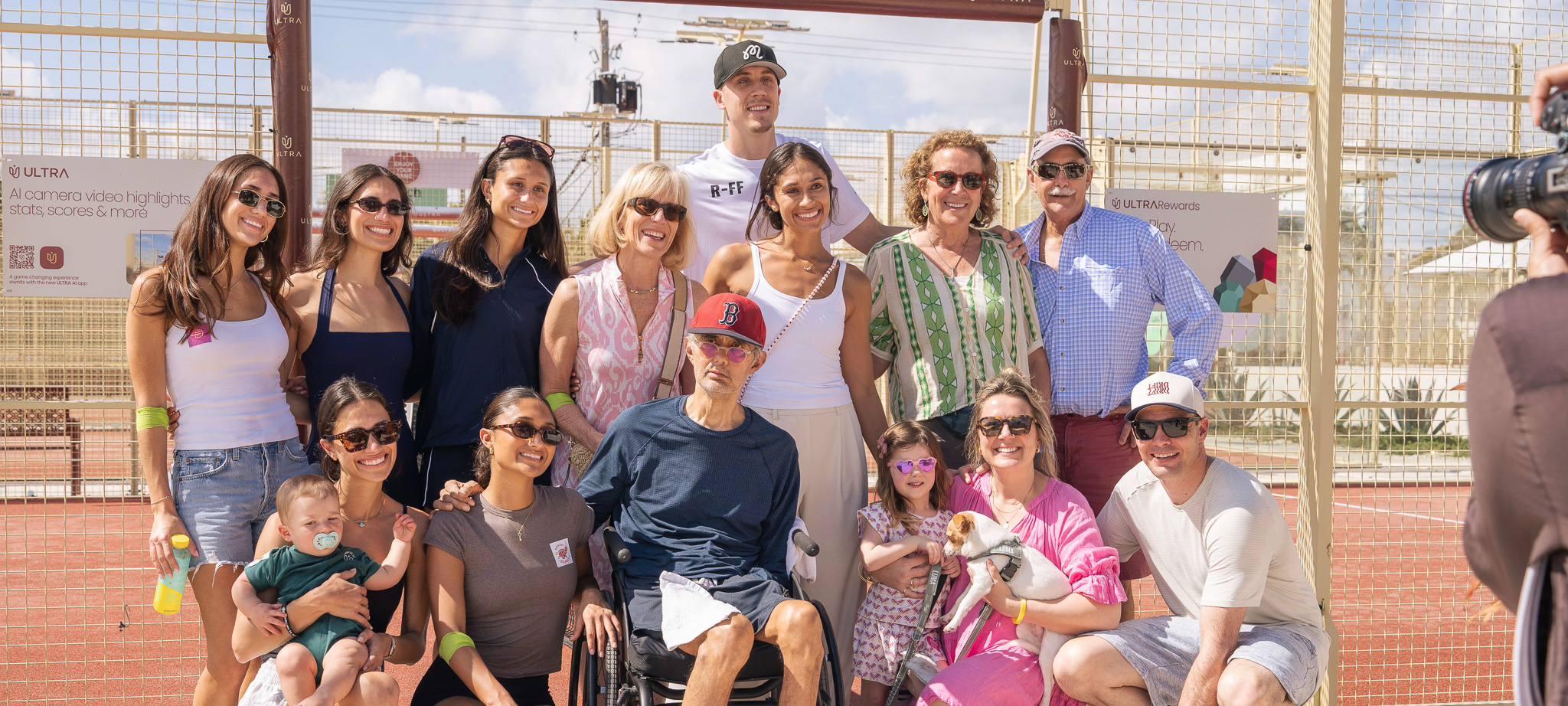
February 20, 2026
RFF
Smash the Silence 2026, Presented by The Robinson Family Foundation

Dear Task Force of NH (Assembled by Governor Ayotte in 2025),
My name is Marta Robinson Day. I am Eli Robinson’s older sister. I am also a licensed therapist in this community, and for years I have worked with individuals living with severe mental illness and suicidal ideation.
But today, I am not writing as a clinician or a professional.
I am writing as a sister grieving the loss of her brother.
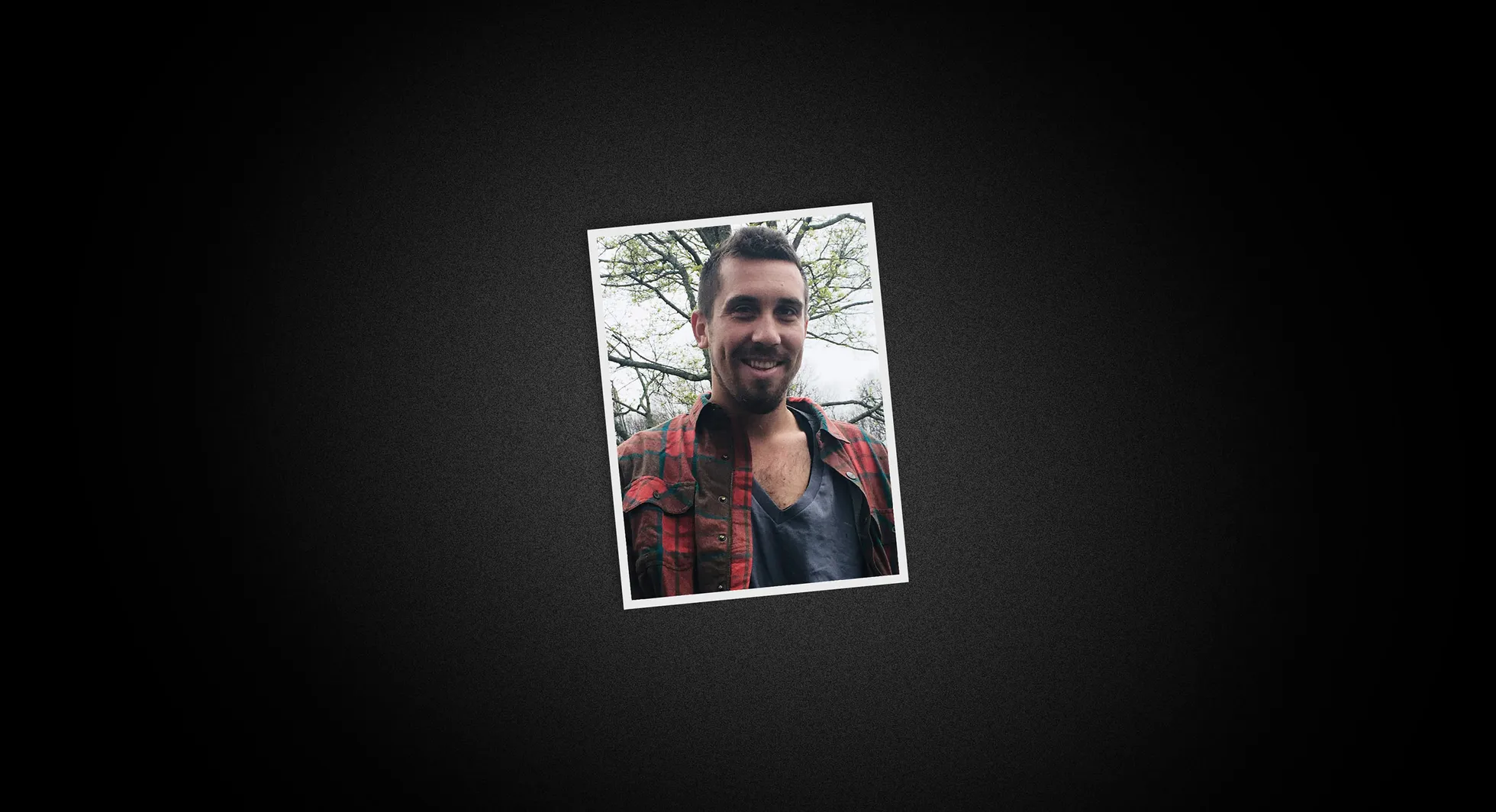
My brother Eli died after jumping from the I-95 bridge on April 30, 2025.
This was not his first attempt at that bridge. His first was in October of 2024. This time, he did not survive.
Eli was diagnosed with schizophrenia in 2021. He fought every single day to manage an illness that most people cannot fully imagine. He sought treatment. He took medication. Maintained sobriety. He worked to stay connected to the people who loved him. He wanted to live. He wanted peace. But schizophrenia is relentless, and in his darkest moments, he heard voices telling him that his family would be better off without him — and telling him to jump from that bridge.
That is the reality of severe mental illness. In moments of crisis, people do not think clearly, rationally, or permanently. Many suicidal crises are impulsive and short-lived. And when a lethal means is immediately available, people can die in moments that otherwise may have passed.
That is why physical barriers matter.
As a family, we know Eli is not the only person who has gone to that bridge in despair. He is one of many. Since his death, we have learned the stories of other families carrying this same grief, this same shock, this same unbearable question of what could have interrupted that moment.
To the public, these deaths become numbers. A tragedy read in the paper. To families, they remain birthdays, empty chairs, unanswered texts, and lives permanently split into before and after.
Eli was not a statistic to us. He was funny, intelligent, deeply sensitive, and profoundly loved. He was a son. A brother. An uncle. A friend. A human being whose life mattered.
And because his life mattered, we will continue telling his story.
We appreciate the seriousness with which the task force has approached the suicides occurring at the 95 bridge. The Robinson family has felt heard throughout this process, and that matters deeply.
We recognize the work that has already been done, and we are grateful for it.
It is encouraging to hear alignment around the long-term solution: a permanent physical deterrent. We strongly support that effort, and we will remain engaged as that process moves forward.
But there is something we cannot ignore. There is still a gap between now and that permanent solution. And during that gap, people remain at risk.
A solution years away does not help the person who arrives at that bridge tomorrow night in the middle of a psychotic episode. It does not help the teenager experiencing unbearable hopelessness next month. It does not help the father, mother, veteran, student, or struggling community member who reaches that bridge before permanent protections are built.
Every day without a barrier is another day where someone can die.
That is why we are asking the task force assembled to research bridge security to take immediate action by installing a temporary physical deterrent while the permanent solution is designed, approved, and funded.
Signs are important. Crisis phones matter. Cameras and patrols have value. But they are not barriers.They do not physically interrupt an impulsive act in a moment of crisis.
Physical deterrents save lives. We know this because communities across the country have already studied it, implemented it, and seen the results. This is not a New Hampshire tragedy. It is not a Maine tragedy. Bridge deaths by suicide happen in communities throughout America — and the people working to stop them are building a body of knowledge and a set of solutions that this group should have access to.
Over the last year, our family has connected with organizations and experts across the country working in suicide prevention and bridge safety. We have worked closely with SAVE — Suicide Awareness Voices of Education — along with others experienced in public infrastructure safety and suicide prevention. These organizations understand what works, and they are willing to help.
We are not speaking out to assign blame. We are speaking out because we know what it feels like to lose someone this way. We know what it feels like to receive that phone call. We know what it feels like to replay the final days, the final hours, wondering whether one interruption — one barrier — could have created enough time for survival. And we know that if another death occurs while solutions are delayed, another family will begin living this same nightmare. That does not have to happen.
A temporary deterrent will not solve every mental health crisis. But it can create pause. It can create interruption. It can create time for rescue, for intervention, for a second chance.
And sometimes, time is the difference between life and death.
As a family, we will remain engaged, vocal, and persistent until this bridge is protected.
Our request is both simple and urgent: Commit to installing a temporary physical deterrent now, while the permanent solution is developed.
Please do not leave a gap where another life could be lost.
.png)